Material — March 2026
The Language of Silk
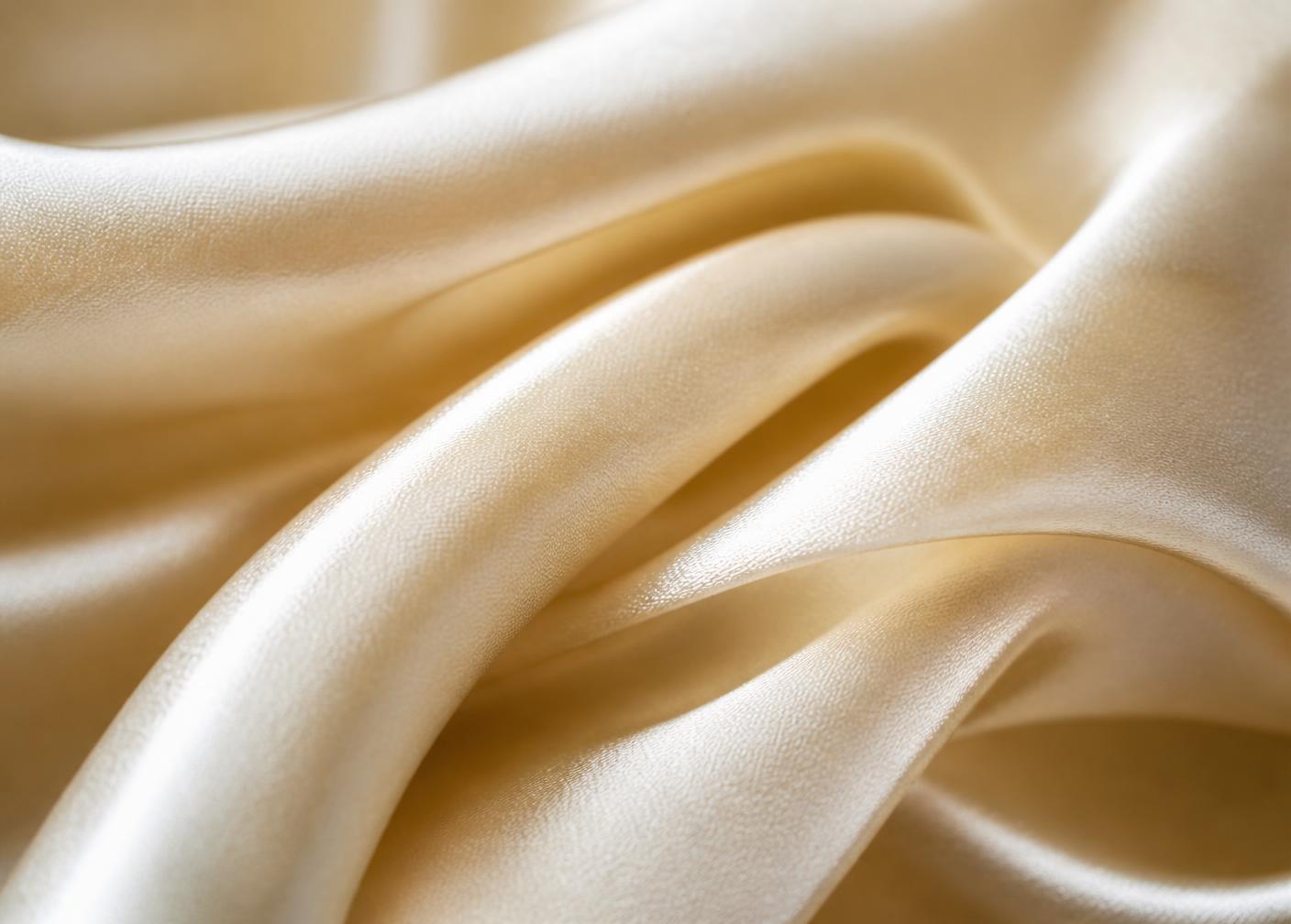
Before a garment exists, there is only a length of cloth and the question of how it wishes to fall. In the Auraghi atelier this question is asked physically: a length of mulberry silk is suspended, weighted, released, and watched. Nothing is drawn until the cloth has answered.
Silk is unusual among materials in that it holds two states at once — it is both liquid and structural. Cut against its instinct, it collapses. Cut with it, it behaves like architecture, holding a fold for a season and returning to flatness without memory of the fold at all.
“Silk does not describe the body. It records the movement the body has just made.”
The house works predominantly with handwoven silk sourced from weaving families in eastern India, where a single length may take six weeks on the loom. The irregularity of a handloom surface — the faint variation in beat and tension — is what allows light to move unevenly across the finished garment. Machine-perfect cloth reflects light in a single plane; handwoven cloth breathes.
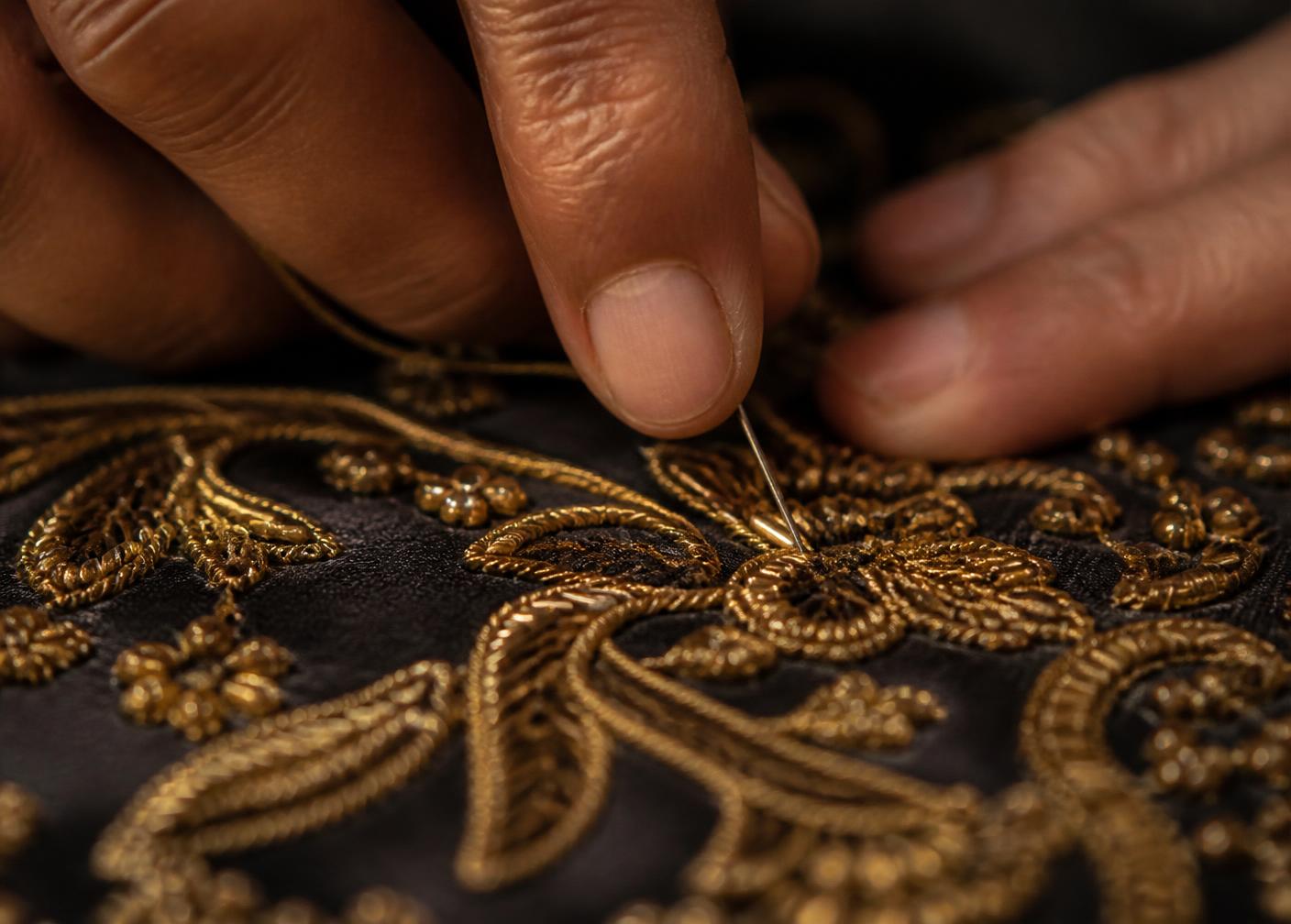
This is why Auraghi resists the seasonal calendar. A material that takes six weeks to make, and three hundred hours to embroider, cannot honestly answer to a schedule measured in weeks.

Related Reading