A contemporary interpretation of heritage
The House
Auraghi is not an archive of tradition. It is an argument that Indian textile heritage is a living, contemporary language.
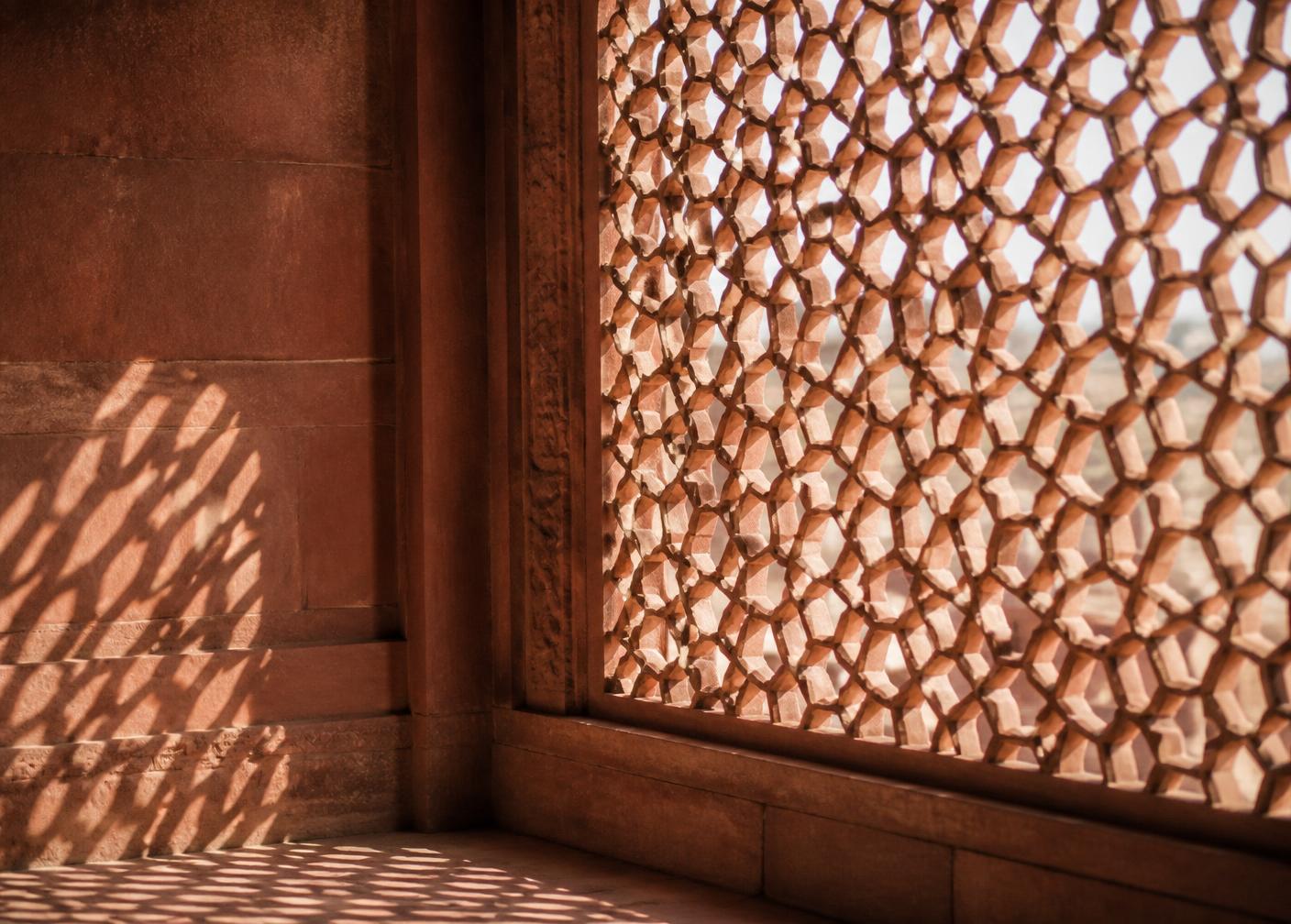
Philosophy
The house works from four convictions. That cloth made by hand carries information no machine surface can hold. That proportion, borrowed from architecture, is the most durable form of ornament. That a garment should be legible at close range rather than across a room. And that time — weeks at the loom, hundreds of hours at the frame — is a material to be spent, not saved.
What follows from this is a refusal of the seasonal calendar and of scale. Collections are released when finished. Pieces are seen privately. Nothing is made twice in exactly the same way.
Continuum
- 01
Origin
A house founded on a single premise: that Indian textile heritage is a contemporary language, not a historical reference.
- 02
Craft
Long-form relationships with weavers and karigars. Time is treated as a material.
- 03
Form
Architecture as the discipline of proportion — arch, threshold, shadow, translated to the body.
- 04
Present
Collections released when finished. Private appointments only. No season, no calendar.
- 05
Future
Garments conceived to be inherited — and an archive intended to outlive the house itself.